







Search Results for: Geisha processing method
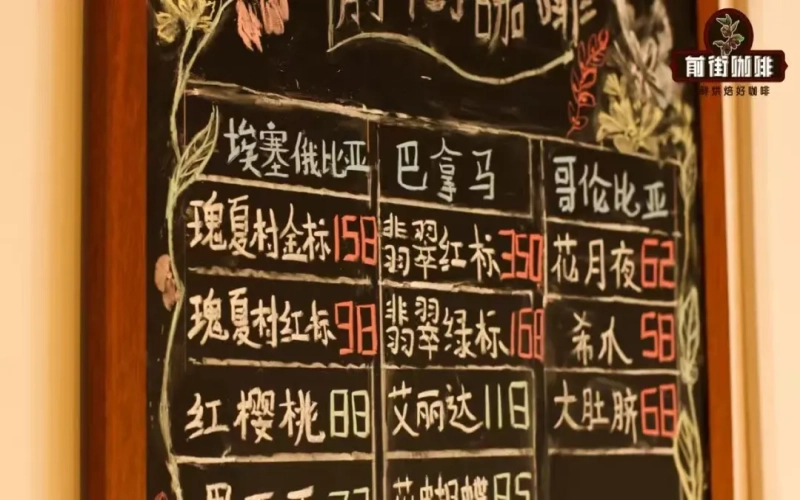
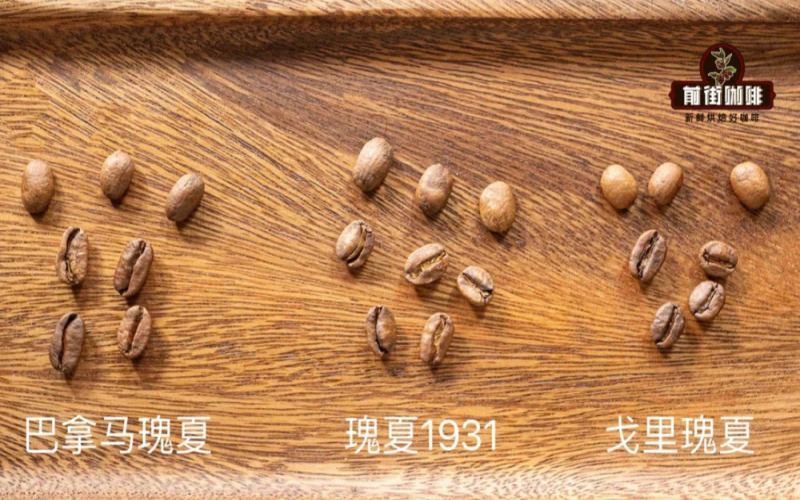
An Analysis of Geisha Coffee Flavor Profiles: Comparing the Differences Between Panama, Ethiopia, Peru, and Costa Rica Geisha
Why does coffee that is also called Geisha taste so different? From Front Street Coffee's perspective, this article systematically sorts out the flavor tiers and producing-region differences of Geisha coffee. The article points out that variety, terroir, processing method, and roasting together determine the taste of coffee, among which variety accounts for 70% of the base flavor and terroir accounts for 30%. Front Street Coffee recommends the washed Geisha from the Boquete producing region of Panama as the entry-level choice for the classic "Geisha flavor," and compares in detail Hacienda La Esmeralda's Red Label and Green Label, 90+ Eleta Anaerobic Geisha, Costa Rica Strawberry Candy, Peru Cajamarca Washed Geisha, as well as Ethiopia Gesha Village's Gori Geisha and Geisha 1931. Whether you want to get to know traditional Geisha or explore the style variations of different producing regions and processing methods, you can find clear references in it. [more…]
Where Does the Geisha Flavor Come From? An Analysis of the Variety, Origin, and Processing Differences Between Ethiopian and Panamanian Geisha
Geisha coffee has won over coffee lovers worldwide with its jasmine, citrus acidity, and honey-like body, but not every coffee called Geisha delivers the signature "Geisha flavor." This article systematically analyzes the root causes of the flavor differences between Ethiopian Geisha and Panamanian Geisha from three dimensions—varietal genetics, growing origin, and green bean processing—and includes Front Street Coffee's Geisha brewing suggestions and parameter demonstration to help readers understand why coffees sharing the name Geisha can taste so strikingly different. [more…]
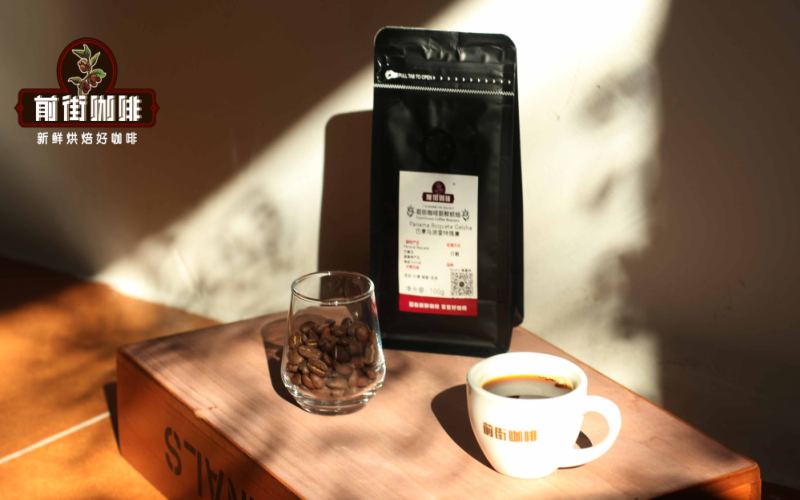
Costa Rican Honey-Processed Geisha Flavor Analysis: A Comparison of Regional Characteristics and Processing Method Differences with Panamanian Geisha
The Geisha variety presents dramatically different flavor profiles across different producing regions. Panama has established a high-end benchmark with its masterful washed and natural processing, while Costa Rica's honey processing gives Geisha more pronounced sweetness and fermentation complexity. This article starts with a Panama Boquete honey-processed Geisha sourced from Front Street Coffee, documenting its specific expressions of floral notes, citrus, cream, and green tea finish through cupping and pour-over practice. At the same time, it traces the propagation of Geisha from Ethiopia to Panama, and compares the essential differences in flavor characteristics between Costa Rican honey processing and traditional Panamanian processing methods, providing coffee enthusiasts with a complete tasting reference. [more…]
Panama Hacienda La Esmeralda Red Label Geisha Grade Full Guide: Natural Process and 90+ Geisha Flavor Comparison
Geisha coffee has been the most talked-about variety in specialty coffee circles in recent years, and the Red Label Geisha from Hacienda La Esmeralda in Panama is the benchmark among them. This article begins with the origins and spread of Geisha, walks through how Hacienda La Esmeralda discovered Geisha and how it classifies Red Label, Green Label, and Blue Label by altitude and cupping score, and further compares the cultivation philosophy and processing methods of 90+ (Ninety Plus) Geisha estates. The article also includes the specific parameters and flavor descriptions of two representative beans from Front Street Coffee, helping you understand the similarities and differences between Esmeralda Red Label Natural and 90+ Geisha in terms of origin, grade, processing method, and roasting differences. [more…]
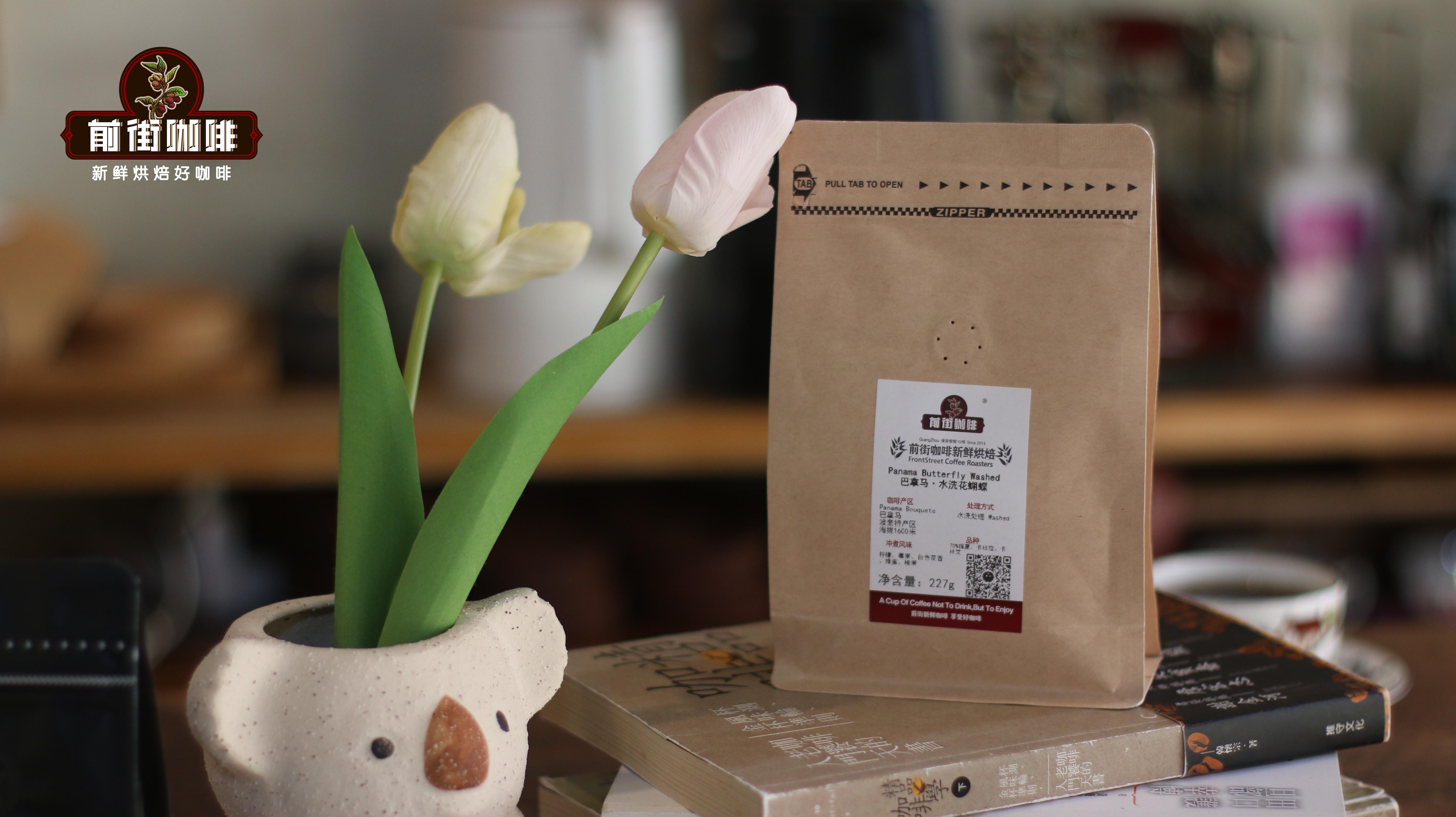
For the same Geisha blend, just how big is the flavor difference between natural and washed processing?
Front Street Panama Butterfly, as a highly cost-effective Geisha blend coffee, has always been favored by coffee enthusiasts. It is a blend of three varieties—Geisha, Caturra, and Catuai—of which Geisha accounts for about seventy percent, originating from the Boquete region of Panama. So, when the same coffee beans undergo two different processing methods—natural and washed—what differences will emerge in flavor? This article will analyze from the perspectives of variety composition, regional background, and processing principles, and through actual brewing tests, compare the specific performances of Front Street Washed Butterfly and Front Street Natural Butterfly in terms of aroma, acidity, cleanliness, and other aspects, guiding you to a deeper understanding of the profound impact of processing methods on coffee flavor. [more…]
Geisha Coffee Roasting Curve and Flavor Analysis of Processing Methods: From Hacienda La Esmeralda to Front Street Brewing Parameters
Geisha coffee is renowned for its jasmine aroma, citrus-honey sweetness, and clean, delicate mouthfeel, often described as a coffee that doesn't taste like coffee. This article centers on roasting approaches for Geisha coffee, explaining why Front Street Coffee chooses a medium-light roast to preserve the fine acidity and floral-fruity aromas, and detailing the flavor differences of Geisha from producing regions such as Panama, Costa Rica, and Colombia. It also outlines the process characteristics of washed and natural processing methods, shares Front Street's grinding size, water temperature, coffee-to-water ratio, and three-stage pouring technique for brewing Geisha, along with practical advice on coffee bean freshness and the resting period, making it suitable for coffee enthusiasts to gain a systematic understanding of Geisha coffee. [more…]

Panama Specialty Coffee Regions and Geisha Grade Classification, Plus Front Street Pour-Over Parameters
Panama is a pivotal origin in the global specialty coffee landscape, and when it is mentioned, most people first think of Geisha. This variety is renowned for its clean cup profile and richly layered fruit notes, and Hacienda La Esmeralda's grading system for Geisha—Red Label, Green Label, and Blue Label—has long been a favorite topic among enthusiasts. When selecting Panamanian beans, Front Street Coffee takes terrain, altitude, and processing methods into comprehensive consideration, and has listed a number of coffees from the Boquete and Volcán regions, including Butterfly, Elida, Hartmann, and Geisha of different grades. This article will sort through the historical origins of Panamanian coffee, the characteristics of its two core producing regions, and the logic behind Hacienda La Esmeralda's Geisha grading, and will also include Front Street's pour-over brewing parameters for Panamanian Geisha for your reference. [more…]
Panama Hacienda La Esmeralda Geisha Coffee Flavor Analysis: How Variety, Origin, and Processing Shape Its Unique Floral and Fruity Notes
Geisha coffee went from obscurity to global fame, with Panama's Hacienda La Esmeralda's stunning performance at the 2004 BOP competition serving as the key turning point. Jasmine, citrus acidity, and honey-like body make up the signature "Geisha flavor," but not every Geisha can express this profile. This article takes an in-depth look at how three major factors—varietal genetics, growing origin, and green bean processing—determine the final flavor direction of Geisha, and uses Front Street Coffee's Panama Boquete washed Geisha as an example to share a complete approach from bean selection to brewing, helping coffee lovers understand the logic behind Geisha flavor formation and key tasting points. [more…]
A Complete Guide to Panama Hacienda La Esmeralda Geisha Coffee: Red and Green Label Grading, Processing Methods, and Brewing Guide
The extraordinary fame that Geisha coffee enjoys today is inseparable from Hacienda La Esmeralda (also known as Esmeralda Estate) in Panama. It was this estate, located in the Boquete production region, that propelled the once-obscure Geisha variety to the pinnacle of the specialty coffee world. Front Street Coffee's bean list is hardly lacking in Geisha options, but for those who wish to savor the classic "Geisha flavor," Front Street's Panama Esmeralda Geisha is undoubtedly the first choice. This article will guide you through the origins of Esmeralda Estate and Geisha, the meaning of the Red Label and Green Label gradings, the differences between natural and washed processing methods, and the pour-over recommendations that Front Street baristas have given for different lots of Geisha. [more…]
Exploring Panama's Janson Estate: Terroir and Sun-Dried Processing Flavor Analysis of Geisha Coffee Beans
Panama is a core producing country for specialty coffee worldwide, and the Geisha variety is undoubtedly its most dazzling star. Besides the widely known Hacienda La Esmeralda, Hacienda Janson also ranks among the top tier with its outstanding Geisha quality. From the perspective of Front Street Coffee, this article systematically reviews Panama's climate and producing regions, focusing on Hacienda Janson in the Volcan region, analyzing its growing environment, variety traceability, and natural processing method, and includes Front Street Coffee's brewing suggestions and flavor description, taking you through a comprehensive understanding of this rare, primarily domestically sold Panama Geisha. [more…]
A Complete Analysis of Panama's Coffee Regions: Hacienda La Esmeralda Geisha Grades and a Flavor Comparison of the Red, Green, and Blue Labels
Panama is a shining jewel on the coffee map of Central America, having set off a wave in the international specialty coffee world with the Geisha coffee beans from Hacienda La Esmeralda. From the perspective of Front Street Coffee, this article systematically reviews the geographical characteristics and flavor trends of Panama's four major producing regions, delves into the transformation journey of Hacienda La Esmeralda from a dairy farm to a Geisha legend, and breaks down one by one the criteria distinguishing Red Label, Green Label, and Blue Label Geisha in terms of altitude, plot, and processing method, while also including the Geisha flavor performance of Elida Estate and Janson Coffee Farm. Whether you are a beginner just encountering Geisha or an experienced enthusiast looking for brewing inspiration, you can gain clear flavor coordinates and practical brewing references from it. [more…]
A Complete Guide to Hacienda La Esmeralda Blue Label Geisha: From Estate Grades to Brewing Methods and Flavor Profile
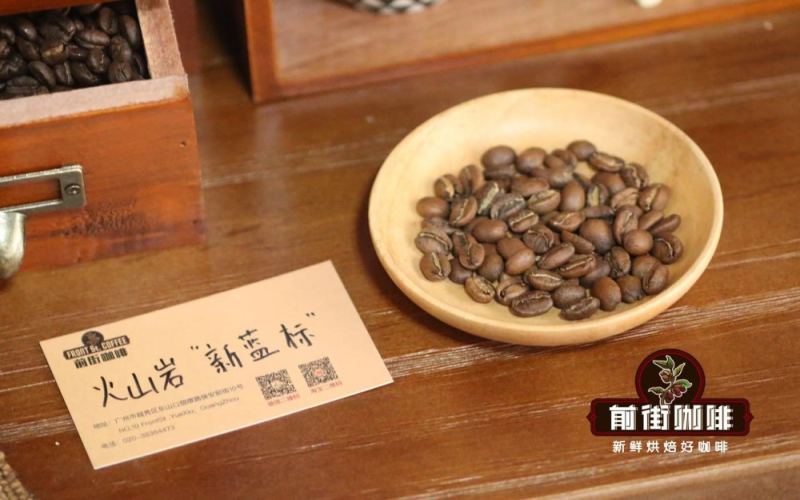
Panama's Hacienda La Esmeralda Geisha has long been the benchmark in the specialty coffee world, and its product line is divided into different grades such as Red Label, Green Label, and Blue Label based on cup quality performance and growing plots. Blue Label Geisha, or Geisha 1500, was once the entry-level choice for many coffee enthusiasts getting their first taste of Hacienda La Esmeralda Geisha. Although the estate has now discontinued this label, understanding its characteristics and history is still worthwhile. This article will walk you through the origin information and grading logic of Blue Label Geisha, compare the differences between Red Label and Green Label, and recommend several Panama Geisha products currently sold by Front Street Coffee, including the Boquete Geisha that is suitable for beginners. Whether you are a seasoned connoisseur or a newcomer to specialty coffee, you will find practical reference information here. [more…]
Panama Hacienda La Esmeralda Red Label Geisha: An In-Depth Look at the 2018 Auction Lot Yeast Processing Method
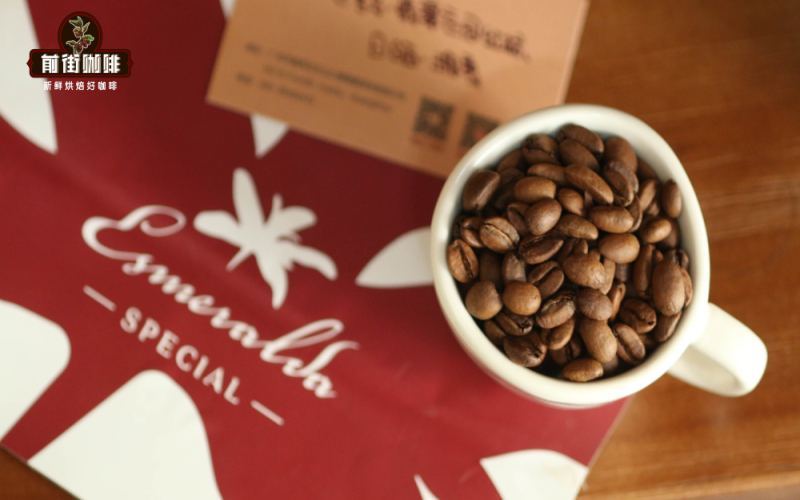
In the world of specialty coffee, Panama's Hacienda La Esmeralda Red Label Geisha has always been a focal point of great attention. In 2018, this competition lot debuted with a rare yeast anaerobic fermentation process, ultimately setting a high price of $340 per pound at auction. This article will take you deep into Hacienda La Esmeralda's producing region background, the discovery journey of the Geisha variety, the specific techniques of the yeast processing method, and the green bean characteristics, roasting, and brewing key points of this Red Label Geisha. Front Street Coffee also obtained a small amount of Red Label natural and yeast-processed lots this year, sharing them with coffee lovers at a relatively affordable price. [more…]
A Complete Guide to Panamanian Specialty Coffee: Geisha Variety, Processing Methods, Estate Grading, and Pour-Over Parameters
Panama is a leading specialty coffee producer in Central America, renowned worldwide for Hacienda La Esmeralda's Geisha. From the perspective of Front Street Coffee, this article systematically reviews Panama's coffee-growing regions, the history and plot divisions of Hacienda La Esmeralda, and the brand grading logic behind Red Label and Green Label Geisha. It also provides a detailed introduction to Geisha coffee's flavor characteristics and processing methods, along with Front Street Coffee's recommended brewing parameters and three-stage extraction technique, helping coffee lovers gain a comprehensive understanding of the appeal of Panamanian specialty coffee. [more…]
Why is Panama Butterfly called a Geisha blend? Is it a single-origin or a blend? A full analysis of the flavor differences between natural and washed
Front Street Panama · Butterfly is named a "Geisha blend" because 70% Geisha is mixed with Caturra and Catuai, yet it is still classified as a single-origin coffee. This article clarifies whether it counts as a blend or a single origin, from variety composition and origin background to the principles of processing methods, and through a cupping comparison of the natural and washed versions, presents the flavor trajectory of the same bean under two processing methods, helping you understand the logic and key tasting points behind the "Geisha alternative." [more…]
Exploring 90+ Specialty Coffee: A Multifaceted Flavor Analysis of Panama Geisha and Ethiopian Heirloom Varieties
Ninety Plus is a highly esteemed brand in the specialty coffee world, renowned for its coffee beans from the Panama Geisha estate and multiple regions in Ethiopia, celebrated for their unique processing methods and richly layered flavors. This article will analyze one by one more than ten Ninety Plus coffee beans recommended by Front Street Coffee, including Juliette, Lotus Solstice, the Horizon series, Ginseng, Clinique, the Nectar series, and more, covering honey processing, natural processing, and patented Solkiln, Red processing, Ruby processing, and other techniques. From origin, harvest season, variety, Level, altitude to processing method and flavor description, it fully presents the individual characteristics of each bean, guiding you to appreciate the splendid expression of Geisha and Ethiopian heirloom varieties in terms of cleanliness, sweetness, fruity aroma, and vinous notes. [more…]
Why Is Panama Butterfly Classified as a Geisha Blend? An Analysis of Its Single-Origin Attributes and the Flavor Differences Between Natural and Washed Processing
Front Street Panama·Butterfly is hailed as a Geisha alternative thanks to its roughly 70% Geisha composition and the high-altitude terroir of the Boquete production region. It is a blend of three varieties—Geisha, Caturra, and Catuai. Although labeled as a Geisha blend, it is classified as a single-origin coffee because it comes from the same production region and undergoes the same washed processing. This article will sort out the blending logic and historical origins of Butterfly, compare the differences between the washed and natural versions in brewing performance, flavor cleanliness, and tropical fruit character, and present in full the review details of Front Street's natural Butterfly, helping coffee enthusiasts understand the specific effects of mixed-variety harvesting and processing methods on the flavors in the cup. [more…]
Analysis of Geisha Coffee Bean Grading Standards and Brewing Key Points for Different Processing Methods
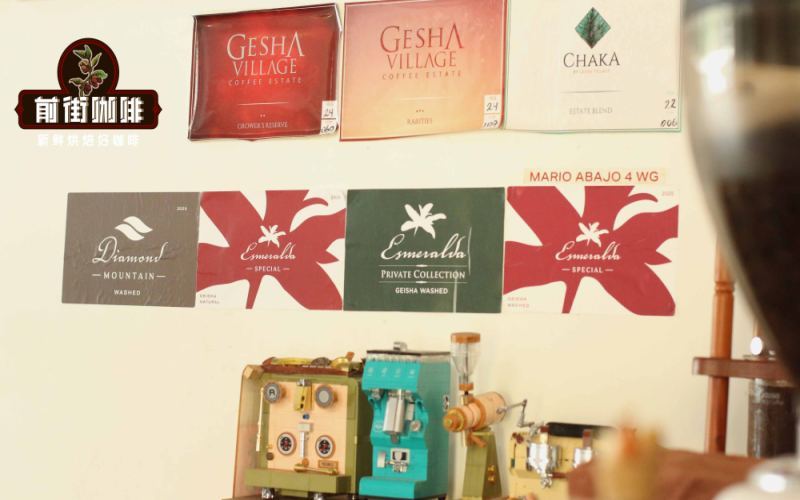
As a standout among coffee varieties, Geisha coffee is renowned worldwide for its full sweetness, clean cup profile, and rich aromatics. From its discovery in the forests of Ethiopia to its championship win at Hacienda La Esmeralda in Panama, Geisha's legendary journey is captivating. This article will provide an in-depth analysis of the origins of the Geisha coffee variety, the criteria for classifying the Red Label and Green Label grades at Hacienda La Esmeralda in Panama, and brewing techniques for Geisha processed by different methods. At the same time, Front Street Coffee will share recommended brewing parameters and flavor descriptions for Geisha coffee to help coffee lovers better understand and appreciate this precious variety. Whether you are new to Geisha or a seasoned enthusiast, this article will provide you with practical reference information. [more…]
Panama Elida Estate Geisha Coffee: Flavor Analysis of the ASD Anaerobic Slow Dry Natural Process
Geisha coffee is widely recognized as the most noble variety in specialty coffee, and Panama's Elida Estate set a historic record of 94.15 points in the 2016 BOP competition with its exceptional Geisha beans. This article will guide you through the origins and flavor characteristics of Geisha, and provide an in-depth analysis of Elida Estate's ASD anaerobic slow-dry natural processing method—a technique pioneered by estate owner Mr. Wilford that, through sealed anaerobic fermentation and low-temperature slow drying, gives the coffee more pronounced floral notes and tropical fruit tones. Front Street Coffee will also share the specific brewing parameters and flavor profile of this Panama Elida Estate Geisha, making it a worthwhile read for every specialty coffee enthusiast. [more…]
Complete Guide to Panama Elida Estate Geisha Coffee: From Variety Origins to ASD Processing and Flavor Profile
Geisha coffee is widely recognized as the noblest variety in specialty coffee, and Panama's Elida Estate set a historic record at the 2016 Best of Panama auction with a score of 94.15. From the perspective of Front Street Coffee, this article systematically reviews the origins and flavor characteristics of the Geisha variety, with a focus on the growing conditions at Elida Estate in the Boquete region of Panama, the ASD anaerobic slow-dry processing method, and the specific brewing parameters and flavor descriptions for both the washed and anaerobic natural Geisha, giving you a comprehensive understanding of the story and tasting points behind this legendary coffee bean. [more…]